Returning to High-Impact Cardio After Pelvic Floor Issues: A Realistic Timeline
Quick Answer: A realistic return-to-impact timeline typically moves through 3 stages — pelvic floor strength and control work, low-impact cardio tolerance, then gradually reintroduced jumping and running — each taking anywhere from 2-6 weeks depending on symptoms, rather than jumping straight back into a prior running routine.
The urge to just ‘get back to normal’ running is understandable, but pelvic floor tissue needs a staged reintroduction to impact, not an all-at-once return.

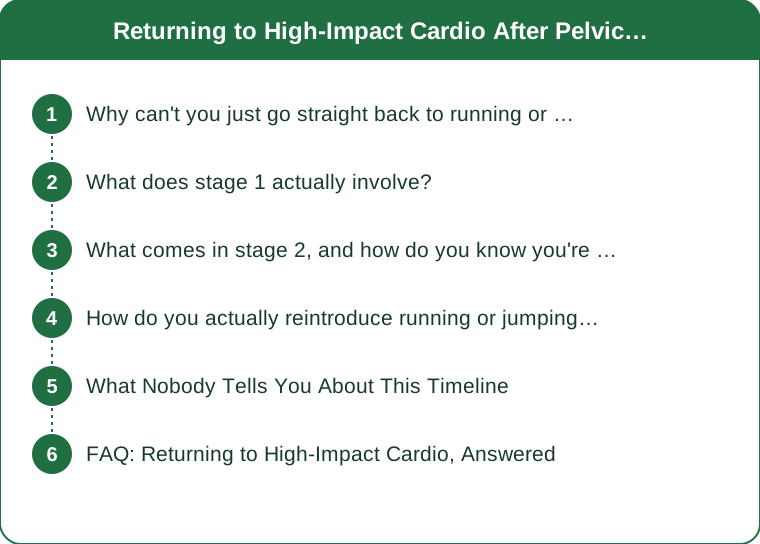
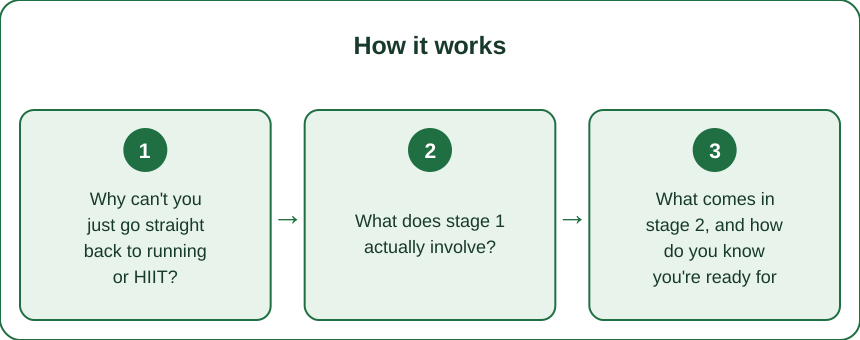
Why can’t you just go straight back to running or HIIT?
High-impact movement places repeated downward force on the pelvic floor with every landing — thousands of times over a typical run. If the pelvic floor’s strength and coordination haven’t caught up, this repeated loading is exactly what triggers or worsens leaking and heaviness symptoms.
What does stage 1 actually involve?
Pelvic floor strength and coordination work — this includes both contraction (Kegel-style) and, just as importantly, relaxation exercises, since an overly tense pelvic floor can be just as problematic as a weak one. This stage typically runs 2-4 weeks before adding cardio impact.
What comes in stage 2, and how do you know you’re ready for it?
Low-impact cardio — brisk walking, incline walking, cycling, swimming — while continuing pelvic floor work. Readiness for stage 3 generally means completing stage 2 activities without leaking, heaviness, or pressure symptoms for at least a couple of consistent weeks.

How do you actually reintroduce running or jumping safely?
Start with short intervals — 30 seconds of light jogging or jumping within a longer walk, monitoring for symptoms both during and the following day. Gradually extend interval length over 2-4 weeks rather than committing to a full run distance on day one.
What Nobody Tells You About This Timeline
Symptoms the day after a session are just as important a signal as symptoms during it — some pelvic floor fatigue shows up with a delay. Tracking how you feel 24 hours post-session, not just immediately after, gives a more accurate read on whether you progressed too fast.
FAQ: Returning to High-Impact Cardio, Answered
Should I see a pelvic floor physical therapist before starting this timeline?
A pelvic floor PT assessment is strongly recommended before self-guiding this process, especially if symptoms have been ongoing or postpartum-related.
What symptoms mean I should go back a stage?
Any leaking, heaviness, pelvic pressure, or pain during or after activity are signs to return to the previous, better-tolerated stage.
Is this timeline different for postpartum return versus general pelvic floor issues?
Postpartum timelines are generally more conservative and should specifically wait for medical clearance before stage 1 begins at all.
TL;DR:
- High-impact cardio repeatedly loads the pelvic floor — it needs staged reintroduction
- Stage 1: strength and relaxation work, roughly 2-4 weeks
- Stage 2: low-impact cardio with zero symptoms for a couple consistent weeks
- Stage 3: short jogging/jumping intervals, extended gradually over 2-4 weeks
This is general information, not medical advice — a pelvic floor physical therapist can personalize this timeline to your specific symptoms.
See It in Motion
Seen here: Maternity Capris with Side Pockets — shop it on bubblelime.com
Keep Reading
This article is for general informational purposes only and is not medical advice. Always consult a qualified health professional for guidance specific to you.