The Sneeze Betrayal: Postpartum Leaks, Leak-Proof Gear and the Actual Fix
The postpartum sneeze betrayal — laugh, jump or achoo, and the bladder files a surprise report — is so common it became a mom-culture punchline. But normalize the experience, not the permanence: leaks are managed by gear and TREATED by pelvic floor rehab. Both halves deserve airtime. (Pelvic floor physiotherapy is the gold standard — this is the overview, not the substitute.)

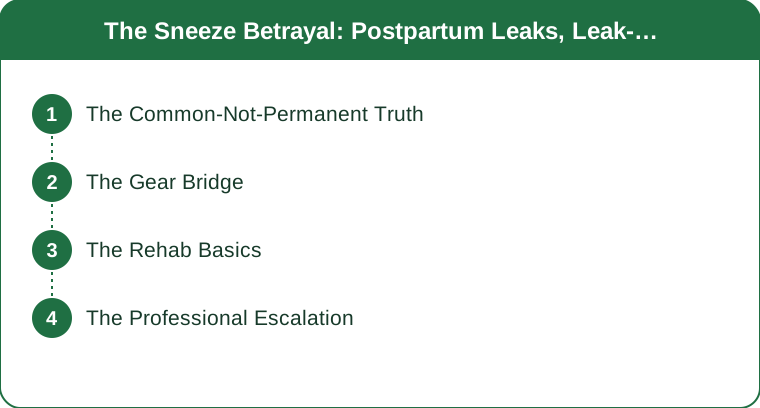
The Common-Not-Permanent Truth
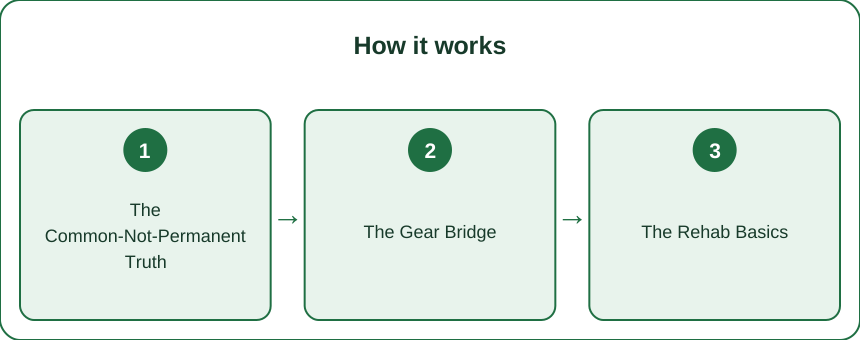
Stress incontinence after birth is extremely common — and highly treatable: pelvic floor muscle training shows strong evidence, with most women improving significantly within months of consistent work. The punchline culture undersells the fix rate.
The Gear Bridge
While rehab works: leak-proof underwear built for bladder leaks (faster-absorbing than period versions — the parallel product line), workout versions for the jump-rope-averse era, and liners as the layered option. Gear is the bridge, not the destination.

The Rehab Basics
The kegel done RIGHT: squeeze as if stopping flow, lift inward, hold 5, release FULLY (the release matters as much), 10 reps, 3 rounds daily — plus the exhale-before-effort habit (exhale as you lift, sneeze, or laugh: pre-bracing the floor). Weeks to first improvement, months to the new normal.
The Professional Escalation
A pelvic floor physiotherapist assesses what guesswork cannot (some floors are too TIGHT, and kegels worsen those — the assessment sorts it), and persistent leaks past six months of self-work have earned the referral. The betrayals end for most women who pursue the fix — the pursuing is the step the punchline skips.
Common, bridged by gear, fixed by floors trained correctly, escalated to physio when stuck. The sneeze betrayal was never the permanent price of motherhood — it was an untreated rehab plan, waiting.
See It in Motion
Seen here: Maternity Capris with Side Pockets — shop it on bubblelime.com
Keep Reading
This article is for general informational purposes only and is not medical advice. Always consult a qualified health professional for guidance specific to you.